Podcasts
Audeze’s Journey: From Acquisition to Innovation with CEO Sankar
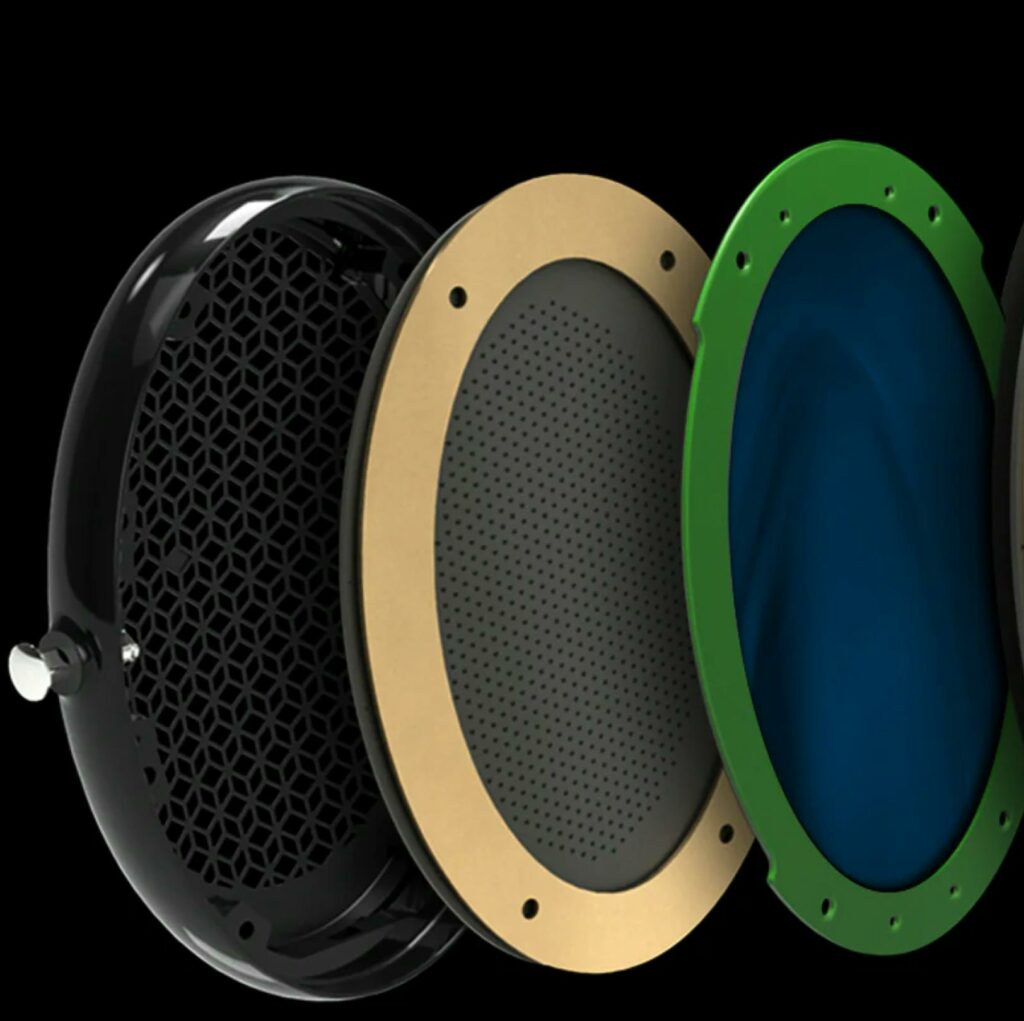
In this conversation, Sankar, the co-founder and CEO of Audeze, discusses life after the acquisition by Sony’s PlayStation division and the company’s approach to designing headphones for gaming and pro audio. He highlights the importance of collaboration with studios and artists in creating high-quality products. Sankar also talks about the advantage of being early in spatial audio technology and how Audeze continues to improve in this area. He explains the significance of customizing sound with Reveal Plus and shares some insights into the company’s future plans and upcoming products.
Takeaways
- Audeze is an independent subsidiary of Sony’s PlayStation division, continuing to make its own audio file and gaming products under its own branding.
- The company collaborates closely with studios and artists to ensure their headphones meet the needs of professionals in the industry.
- Being early in spatial audio technology has given Audeze an advantage, and they continue to work on improving spatial audio experiences.
- The Reveal Plus plugin allows users to customize the sound to their specific ears, enhancing the mixing experience.
Chapters
00:00 Introduction and Life after Sony Acquisition
02:07 Designing Headphones for Gaming and Pro Audio
04:59 Collaboration with Studios and Artists
06:18 Advantage of Being Early in Spatial Audio
08:03 Continuous Improvement in Spatial Audio
11:28 Customizing Sound with Reveal Plus
13:59 Future Plans and Upcoming Products
Learn more about your ad choices. Visit megaphone.fm/adchoices
Micro Center News: Expert Tech Advice with Dan Ackerman

In this episode, Dan Ackerman, editor-in-chief of Micro Center News, talks about the current state of tech journalism and the importance of providing reliable tech advice to consumers. He explains how Micro Center News combines traditional and online storefronts to offer expert guidance. The conversation also touches on the challenges of navigating social media and the intersection of technology with other areas. Dan expresses his enthusiasm for building desktops and the potential of AI running on local machines, highlighting companies like Nvidia and Intel as leaders in AI development. The episode wraps up with a discussion of Micro Center News’ future plans.
Takeaways
- Micro Center News aims to provide reliable tech advice and consumer news.
- The tech journalism space continues to grow, and there is room for more publications.
- Navigating social media can be challenging due to the influx of poor quality information.
- Exciting developments include desktop building, AI on local machines, and advancements in AI by companies like Nvidia and Intel.
Chapters
00:00 Introduction and Micro Center News
01:26 The State of Tech Journalism
03:02 Blending Traditional and Online Storefronts
04:22 Expanding Topics on Micro Center News
05:11 Navigating the Blurry World of Social Media
07:17 The Intersection of Tech and Other Areas
08:20 Geeking Out on Desktop Building
09:26 Tinkering with Technology
10:05 Interactivity and Audience Participation
11:29 Exciting Technological Developments
12:08 The Power of AI on Local Machines
13:15 Companies Excelling in AI
14:39 Micro Center News’ Future Plans
Learn more about your ad choices. Visit megaphone.fm/adchoices
Navigating Network Outages: A Conversation on Challenges and Solutions

In this episode I speak with Sandeep Panesar, Telecommunications expert. The conversation discusses the recent AT&T outage and explores the challenges and solutions in network backup and restoration. It delves into the potential of satellite technology and artificial intelligence in network management. The importance of cooperation among telecommunication companies and the limitations of satellite communication and bandwidth are also examined. The conversation highlights the impact of software updates on network failures and emphasizes the need for interoperability and consensus in network management.
Chapters
00:00 Introduction and Background
01:48 AT&T Outage and Backup Plans
04:02 Challenges in Network Backup and Restoration
06:13 Satellite Technology and AI in Network Management
09:55 Cooperation Among Telecommunication Companies
11:43 Limitations of Satellite Communication and Bandwidth
13:39 Software Updates and Network Failures
15:29 Interoperability and Consensus in Network Management
16:41 Conclusion and Contact Information
Takeaways
- Network outages can have significant consequences, especially for emergency services.
- Backup plans and cooperation among telecommunication companies are crucial in ensuring network resilience.
- Satellite technology and artificial intelligence can play a role in network management and restoration.
- Interoperability and consensus are necessary for effective network management and backup solutions.
Learn more about your ad choices. Visit megaphone.fm/adchoices
Pushing the Limits of Mobile Gaming: A Discussion with Marc and Zachary Aflalo
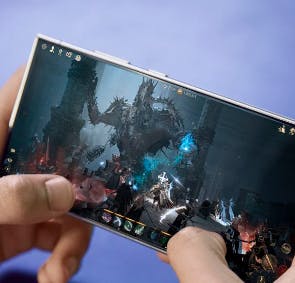
In this conversation, Marc and Zachary Aflalo discuss the gaming capabilities of the Samsung Galaxy S24 Ultra and the future of gaming on mobile devices. They explore topics such as the Snapdragon chip’s performance, emulating Nintendo Switch games, cloud gaming, and the optimal frame rate for gaming. They also discuss the potential for mobile gaming to surpass PC gaming and the approach of companies like Apple and Nintendo to gaming. The conversation concludes with a discussion on emulation and legal issues surrounding game streaming.
Takeaways
- The Samsung Galaxy S24 Ultra offers impressive gaming performance, with smooth gameplay and high-quality graphics.
- Emulating Nintendo Switch games on the S24 Ultra provides a good experience, with most games running at their native frame rate.
- Cloud gaming services like GeForce Now offer a convenient way to play games on mobile devices, but there can be limitations in terms of frame rate and resolution.
- While mobile gaming has the potential to become more practical and popular, PC gaming still offers greater customization and performance.
- Companies like Apple and Nintendo have different approaches to gaming, with Apple focusing on optimizing their devices for gaming and Nintendo being more protective of their intellectual property.
- Emulation and legal issues surrounding game streaming continue to be a topic of debate and concern.
Chapters
00:00 Introduction and Overview of Samsung Galaxy S24 Ultra
01:17 Gaming Performance and Snapdragon Chip
03:23 Cloud Gaming and Frame Rate
05:24 PC Gaming vs. Cloud Gaming
07:31 Mobile Gaming and iPhone
09:08 Optimal Frame Rate for Gaming
09:56 Future of Consoles and Streaming Platforms
10:17 Nintendo’s Approach to Gaming
11:22 Emulation and Legal Issues
12:14 Conclusion and Invitation to Return
Learn more about your ad choices. Visit megaphone.fm/adchoices
Leveling Up Gaming Journalism: A Conversation with Lukas Eggan

Lukas Eggan, host of the gaming and eSports podcast ‘LAN Parties,’ discusses his new digital gaming magazine called ‘Game On’ in an interview with Marc. The conversation covers various topics related to the gaming industry, including the need for long-form journalism, the challenges of instability and overhiring in game development, the impact on both small and large studios, Microsoft’s strategy and the future of consoles, the role of cloud gaming and internet infrastructure, and the competition among streaming companies. Lucas also shares details about his Kickstarter campaign for ‘Game On’ and emphasizes the aim of providing high-quality journalism from a gamer’s perspective.
Chapters
00:00 Introduction and Gaming Industry Overview
01:13 The Driving Force Behind Game On Magazine
03:01 Issues in the Gaming Industry
04:18 Instability and Overhiring in Game Development
05:15 Opportunities for Starting Independent Studios
06:14 Factors Contributing to Layoffs in the Industry
07:35 Impact on Both Small and Large Studios
08:14 Microsoft’s Strategy and the Future of Consoles
09:33 The Role of Cloud Gaming and Internet Infrastructure
10:11 Competition Among Streaming Companies
11:33 Evolution of Gaming Graphics and Performance
12:33 Kickstarter Campaign for Game On Magazine
13:09 High-Quality Journalism and Gamer Perspective
13:41 Campaign Timeline and Launch Date
14:07 Closing Remarks and Future Plans
Takeaways
- The gaming industry is valued at over $200 billion and is in need of more comprehensive coverage and analysis.
- Game On magazine aims to provide long-form journalism and deep dives into the major issues facing the gaming industry.
- Instability and overhiring are significant challenges in game development, leading to layoffs and negative impacts on studios.
- The future of gaming may involve less emphasis on consoles and more focus on cloud gaming and internet infrastructure.
Learn more about your ad choices. Visit megaphone.fm/adchoices
Eyes-On with Apple’s New Vision Pro

Apple may call this device a spatial computer, but in reality, it’s a great high-quality virtual reality headset with extended-reality features. In this segment from YourTechReport on SiriusXM Mitchell Whitfield talks about his experience with Apple Vision Pro. He highlights the potential applications, praises its immersive visuals and user-friendly features, and explores the curiosity about the availability in international markets.
Learn more about your ad choices. Visit megaphone.fm/adchoices
TCL’s Gorgeous New Televisions

Normally, we have to wait at least a year to get our hands on what TCL announces at CES – This year is different, with products headed for our shelves very soon. Enjoy our conversation with TCL Product Evangelist Bruce Walker. Bruce discusses TCL’s success in the TV market and their focus on delivering premium products. They talk about the popularity of QLED technology and how TCL has achieved high sales and revenue growth in that category. They also mention TCL’s partnership with the NFL and Call of Duty to target specific markets. Bruce Walker highlights the importance of performance and the customer experience in the industry, mentioning techs like HDR, Dolby Vision, and Mini LED backlights.
Learn more about your ad choices. Visit megaphone.fm/adchoices
Pocket Kado: Gamifying Sleep with a CES Award Winning App

Join us as we interview Khoa Tran, founder and CEO of Pocket Kado. Discover the inspiration behind the app, which uses cognitive behavioral therapy for insomnia (CBTI) to improve sleep. Learn how Pocket Kado gamifies the process by rewarding users with dream miles for engaging in behaviors that promote better sleep. Despite initial skepticism, the app has received positive feedback and won the Sleep Tech Award at #CES2024. Hear Tran’s reflections on the risks he took to pursue the app and the satisfaction he feels from its impact on users’ lives.
Learn more about your ad choices. Visit megaphone.fm/adchoices
Barsys: Digitizing the Drinking Experience with Akshet Tewari

Join us as we interview Akshet Tewari, founder and CEO of Barsys, as he discusses the company’s mission to digitize the drinking experience using consumer robotics and a SaaS-based application. Discover the Barsys 2.0, a state-of-the-art machine that lets users make cocktails from the best bars and mixologists worldwide. Learn about the Barsys 360, which offers a more personalized and experiential cocktail-making experience. The app recommends cocktails based on ingredients users have at home and provides curated recipes from top bars. The device detects the type of glass being used and has a low chance of overpouring. Barsys aims to enhance the customer experience and is excited about future innovations and the integration of AI.
Learn more about your ad choices. Visit megaphone.fm/adchoices
Samsung S24 and Galaxy AI: AI Innovations and Beyond with Raj Doshi

Join Marc Aflalo and Raj Doshi, Samsung Canada’s Head of Mobile, as they discuss the exciting launch of the S24 series. Discover how Samsung’s software innovations, particularly in AI, set them apart. Learn about features like Live Translate for real-time voice call translation and Circle to Search, a partnership with Google. Explore the practicality and accessibility of these features and the integration of Samsung’s product portfolio. The S24 series is just the beginning of Samsung’s future innovations.
Learn more about your ad choices. Visit megaphone.fm/adchoices