Posts by marc@aflalo.com
Exploring Apple’s M3 Chips, Space Black Laptops and Humane’s AI Pin with Patrick O’Rourke
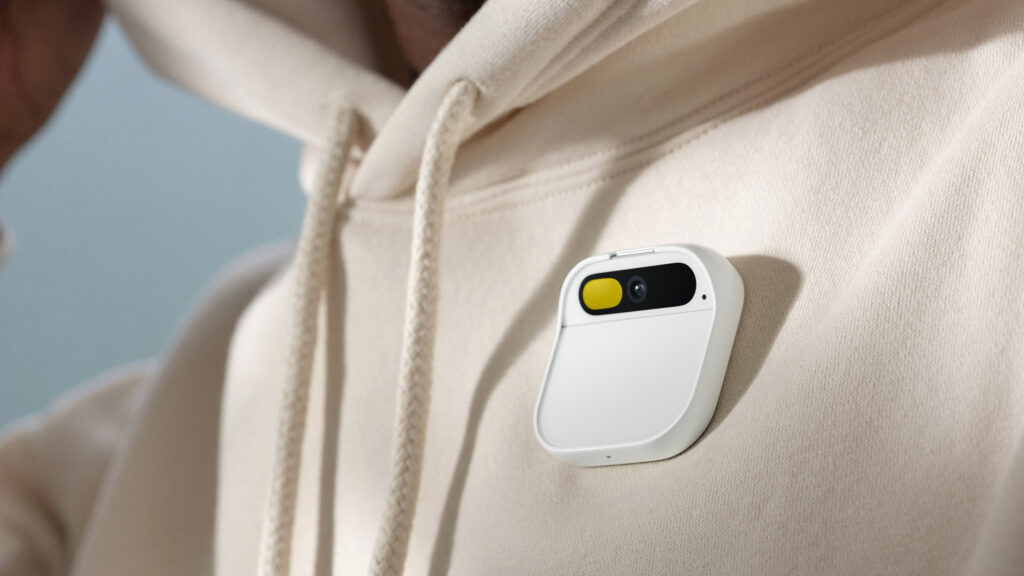
In this episode of YourTechReport, host Marc Aflalo welcomes Patrick O’Rourke, Editor-in-Chief at MobileSyrup, for an in-depth discussion on Apple’s latest M3 chips. They delve into where these new chips stand in the Apple lineup and debate the necessity of upgrading. The conversation also covers Patrick’s hands-on experience with Apple’s new “Space Black” color option and its grease-resistant features. Additionally, they touch on Humane’s recently announced AI pin, with Patrick sharing both his personal views and insights from the MobileSyrup team.
Shaping the Future of Education: Insights from Microsoft’s Study with Dr. Elka Walsh

In this enlightening episode, we delve into a recent Microsoft study revealing a concerning gap in modern education. According to the study, just over half of teachers (52%) believe that students are being taught with methods that align with the skills needed for their future. A significant 79% of educators underscore the importance of data literacy and digital citizenship for today’s learners. Yet, only 35% feel that most teachers have access to the best technological tools for effective teaching. To unpack these findings and discuss Microsoft’s role in shaping education, we’re joined by Dr. Elka Walsh, Associate Vice President of Learning & Teaching at Microsoft Canada. Tune in as we explore the challenges and opportunities in equipping both teachers and students for a rapidly evolving digital world.
Exploring the Future of Audio Technology: An Insightful Discussion with Jim Garrett from Harman

In this episode of YourTechReport, Marc Aflalo interviews Jim Garrett, Senior Director of Product Strategy and Planning at Harman. They discuss the evolution of audio technology, the impact of the pandemic on consumer behavior, and the future of the audio market. Garrett highlights Harman’s science-based approach to audio design, the significance of wireless technology, and the importance of ease of use in product development. He also touches on the role of AI and the trend towards retro designs with modern features.
Docked and Loaded: A Conversation with Kensington’s Yuji Wakabayashi
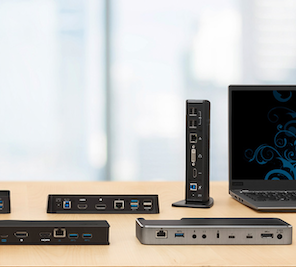
In this episode of YourTechReport on SiriusXM, we dive deep into the world of Kensington docks with none other than Yuji Wakabayashi. Discover what makes Kensington docks stand out in the market, learn about their vast variety, and explore the multiple uses of these powerful pieces of technology.
As we navigate the expansive universe of docks with Wakabayashi, he pulls back the curtain on Kensington’s latest offerings. He guides us through the thought processes behind their designs, the functionalities they bring to the table, and how these docks aim to enhance and simplify users’ technology experiences. From single-display to multi-display docks, Wakabayashi explains the distinguishing features, providing a comprehensive understanding of how each product serves its unique purpose. Whether you’re a casual user or a power user, there’s a Kensington dock designed with you in mind.
We don’t stop at the present, though. As we dive into the history of docks, Wakabayashi walks us through the technological evolution that has led us to today’s advanced docks. We explore the humble beginnings, the transformational milestones, and the increasing significance of docks in our tech-driven lives.
Whether you’re a tech enthusiast or simply curious, this conversation with Yuji Wakabayashi is an enlightening journey through the past, present, and future of docks. Don’t miss it!
Google Pixel 7A First Impressions | Secrets & Surprises of 2023’s Hottest Smartphone!
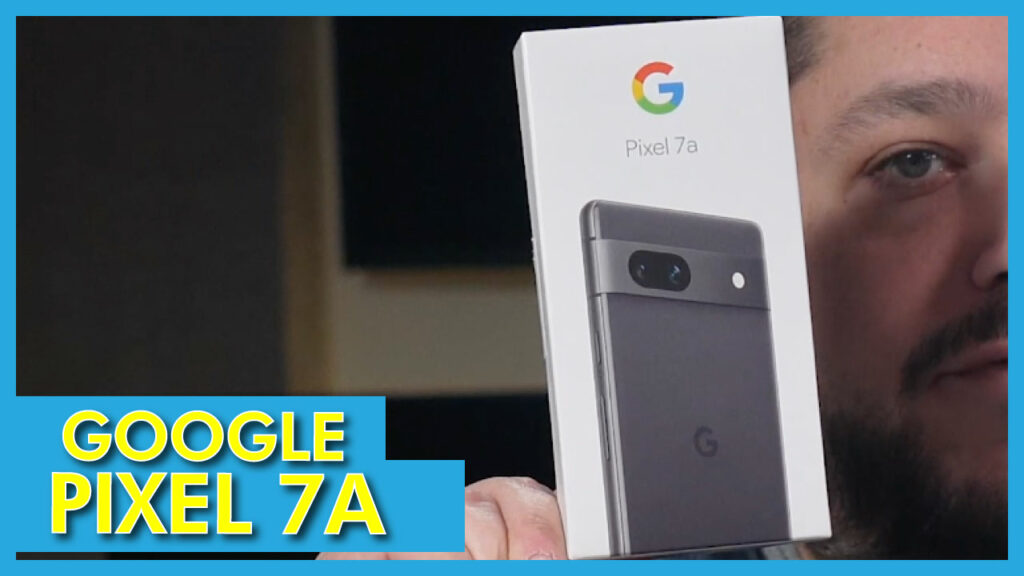
In this video, Marc Aflalo from Your Tech Report gives his first impressions of the highly anticipated Google Pixel 7A. The video includes an unboxing, a close look at the device’s hardware, and an overview of its most exciting features.
Enhancing Your Podcasting Game with Artificial Intelligence: Tips and Tools
In this video, Marc Aflalo discusses the use of artificial intelligence (AI) in podcasting. He breaks down the topic into three areas: content creation, transcription, and editing/post-production. With the help of tools like ChatGPT and Otter.ai, AI can generate content ideas, transcribe spoken word into SEO-ready content, and assist with editing tasks. Aflalo also recommends using AI wisely and not relying too heavily on it, as it could negatively impact creativity and personal touch. Overall, AI can enhance the podcasting process and improve the quality of content.
Samsung S23 Ultra: Upgraded Camera System, AI Remastering of Photos and more
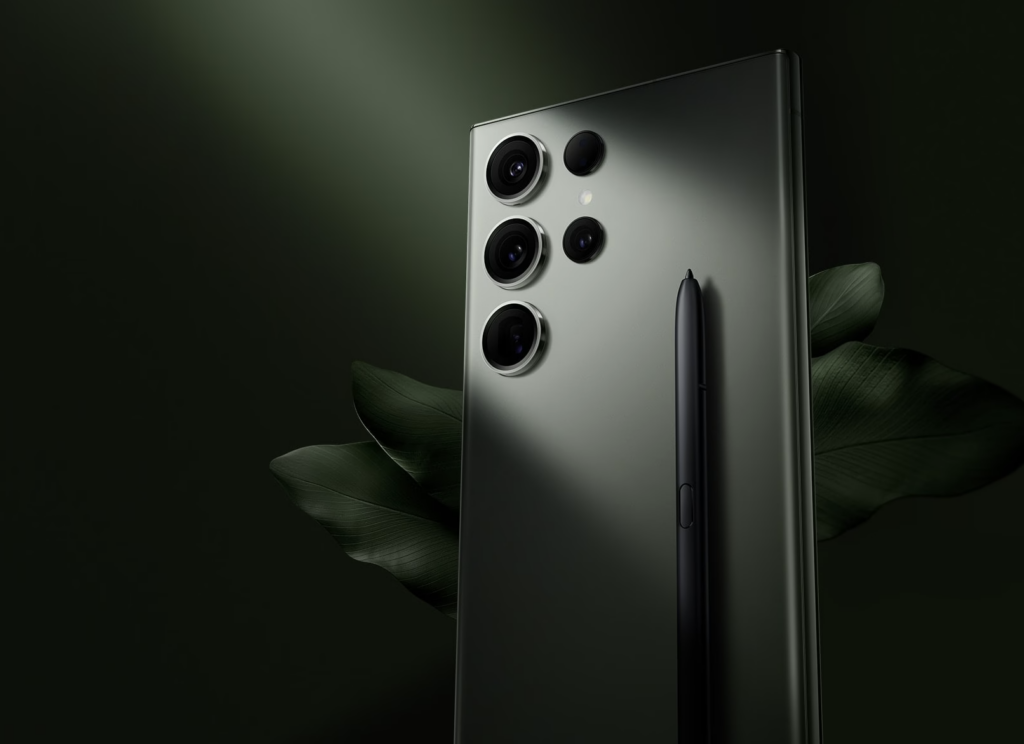
In this video, Marc Aflalo reviews the Samsung S23 Ultra, the flagship device from Samsung. They unbox the device and discuss its features, including the upgraded camera system, Snapdragon 8 gen 2 processors, and AI remastering of photos. The Ultra model has a 200-megapixel camera, an 8 or 12 GB RAM option, and a 5000 mAh battery. The device has a 120 Hz HDR 10 display, an always-on display with Android 13, and Bluetooth version 5.3. The presenter also discusses the video resolutions available on the device and the 45-watt power supply that comes with it. Overall, the presenter finds the device to be a reliable flagship device from Samsung.
Video Transcript:
0:00
Welcome to another your tech report video. Today we’re going hands on with the Samsung S 23 Ultra. Thank you for tuning in to another your tech report video. If you’re not already subscribed to our channel, do hit that subscribe button down below. And don’t forget the notification bell. It will help you get notified whenever we’ve got a brand new video just like this to share with you Samsung released new phones obviously earlier in the year right before Mobile World Congress, the s 23, the s 23 Plus and the s 23. Ultra. We’ve got the ultra right here as I alluded to now let’s talk about these phones for a second because these are the flagship devices from Samsung that come out every year. And they come out a good six months if not more earlier than the new iPhone models. So it gives other companies an opportunity to kind of see what the competition is doing before they released their final hardware. Now that being said, we know next generation phones are already in production well in advance. So how much can they actually change from year to year in response to some other people? Well, we’ll don’t really know let’s unbox this device. And let’s see what the actual hardware is all about. Because the phones quite honestly look pretty similar to last year’s models. But you know on board, they’ve got upgraded camera systems and they come in a variety of different colors, which is what really sets them apart from year to year. The first thing you notice on the back of this device is this incredible camera system 123 cameras, the bottom one being the what do they call it a periscope lens where it’s actually sideways inside the camera, giving you an incredible amount of zoom. So let’s take this phone out of the box and see what we are dealing with a big slab of Yeah, that’s really what these phones are these days the s 23 The basic model has a 6.1 inch 10 ADP OLED display 3900 milliamp battery, which means you’re going to get decent battery life out of it. Now the s 23 Plus has a 6.6 inch 10, ADP, OLED and a 4700 milliamp battery, the s 23 Plus also has a little bit faster wired charging and higher base storage starts at 256 gigs compared to the 128 gigs on the entry level s 23. They both stuff wireless charging and of course IP ratings for dust and water resistance. Now the new chips onboard these devices, Snapdragon eight gen two processors, slightly higher Max clock speed, so they will perform a little bit different camera systems on these devices. Well, they’re refurbished and refreshed across the board. You’ve got brand new sensors, brand new image processing, and AI remastering of photos. Now AI has been in the news a lot as of late so you know the power of AI and what it can do so add that to a camera system and you get a pretty impressive result at the end of the day. Now on this one, you’ve got a camera system that includes a 50 megapixel main camera 12 megapixel ultra wide and the 3x telephoto lens. When I took pictures on device on vacation, you can tell that the camera quality was pretty good, brightly lit in a nice setup room. Now in a perfect environment that pictures look absolutely great on any device. And in this particular case, it was no difference. There was a bit of shutter lag which I noticed which is not new to Samsung phones, something that you get used to after the end of the day. On the front of these devices. There’s a brand new 12 megapixel selfie camera. This is a new design a little bit clearer in terms of actual video conferencing. So if you also want to use that for the selfies, of course, it’s going to work the same as 23 starting price is 799 and the S 23 Plus starts at 999. So what about the Ultra? Let’s talk about the basic specs here. Okay, you can have eight or you can have 12 gigs of RAM. Okay, that’s a good option 5000 milliamp battery, that is a big ass battery that will last you an entire day. Granted if you’re filming 4k The entire day, maybe not so much. Well, I’ll let you decide exactly what that means to you a 200 megapixel camera. Think about that for a second 200 megapixel camera on a smartphone weighed 234 grams, okay, that’s a pretty heavy device. When you compare this the fact that 249 grams is what the drone needs to be in order to not fly with license. So that’s what they’ve been releasing the seperti heavy phone if it’s actually the the actual weight of a drone. That being said, the drones are pretty light in general. Okay, so we said 234 grams, the weight of this device, we talked about the camera system a bit, but let’s talk about some of the other features because you’ve got 120 hertz HDR 10 display on this device. It is 6.8 inches diagonally always on display with Android 13. So you get that quality there as well. The actual pixel density on this device is actually over 500 pixels per inch. That’s insane. That means you get a resolution of 1440 by 38. Let me check about 1440 by 3088 overall look and feel the device is actually quite comfortable in the hand. It’s got that nice shiny, glossy look on the sides which was extremely magnetic to your fingerprint. So be wary of that and I think you know that wherever you get the matte color finish on the back which is kind of nice if that camera bumps as well if you look at it from the side are really not as pronounced as before overhead shot you can kind of see that by the side as well. And when it’s on a desk, it doesn’t really have that annoying bounce unless you do the opposite coroners. Let’s talk about some of the video resolutions on this device which are pretty cool up to 8k 24 or 30 frames per second for K 30 or 60 frames per second 1080 P at 3060 or 240. And of course 1080 at 960 frames per second with HDR 10 Plus stereo sound recording and that new front facing selfie camera also supports up to 4k up to 60 frames per second Bluetooth is version 5.3 Wi Fi up to six e so you get those gigabit speeds you of course got GPS and everything else that you could pick up now there are no satellite connectivity on this one though, or you’re really missing out. If you want to charge by wire it’s a 45 watt power supply that comes with it which means you can get up to 65% in just 30 minutes of charge. So overall a pretty reliable flagship device from Samsung the s 23 Ultra Of course you can get in on the regular s 23 s 23. Plus if you don’t want to go on to the ultra as we await to see what other companies come up with this year in terms of flagship devices. Thanks for watching. If you enjoyed this video, do give it a subscribe and a thumbs up. Leave us a comment in the comments below. Let us know what you want to know and we can get some more info for you in future videos. Thanks for watching. Catch you on the next video.
Transcribed by https://otter.ai
Minecraft’s Privacy Prodigy and the Importance of Online Safety Education for Kids and Teens

In this episode we connect with Microsoft’s Kim Kunes, General Manager of XBOX Trust and Safety. We discuss Privacy Prodigy and how it is being used to educate children and teenagers on privacy and personal safety on the internet. The pandemic has forced children to learn in a hybrid way, which has led to the increasing use of digital environments for education. Minecraft Education Edition provides a fun and immersive environment for children to learn about privacy and security. The video also discusses the opportunity for other games and experiences to provide educational content. The gamification of learning is becoming more popular and is helping children to socialize and learn in new ways. Finally, the video talks about the importance of parental involvement in their children’s gaming experiences and the partnership between Xbox and Microsoft to provide parents with more control over their children’s gaming activities.
Learn more about your ad choices. Visit megaphone.fm/adchoices
Revving Up Your Decision-Making Skills: Navigating the Complex World of Car Shopping

In this episode of the podcast, hosts Marc Aflalo and Mitchell Whitfield delve into the world of car shopping and the difficult decisions that come with it. With so many options available, making the right choice can be overwhelming. But fear not, as Marc and Mitchell offer their expert insights on how to navigate this complex world and make the best decision for your needs.
From evaluating your budget and determining your must-haves, to researching different models and negotiating with dealers, they cover all the essential steps you need to take to find your perfect ride. They also share their personal experiences and anecdotes, offering a relatable and informative discussion on this important topic.
Learn more about your ad choices. Visit megaphone.fm/adchoices
Samsung Electronics Canada Head of Mobile Raj Doshi on New Flagship S23 Devices
Join Marc Aflalo as he interviews Raj Doshi, head of mobile for Samsung Electronics Canada, about the new flagship S23 devices. Raj discusses the design aesthetic of the phones, what consumers are looking for each year when upgrading, the importance of the camera system, Samsung’s take on the Android operating system, and more. Raj also provides insight into the Galaxy Book Three and the 5G capabilities in Canada. Get the latest updates on the S23 devices and Galaxy Book Three Ultra from Raj.
Learn more about your ad choices. Visit megaphone.fm/adchoices